Preview-Plurifeminism en Abya Ayala

10 minutes before the event, great honor to be here! Some students seems nervous for being part of this conference, I understand that feeling, while others radiate with confidence!

It is really wonderful seeing all the ofrendas put together at the front! Despite being in an online-class setting most of the quarter, I am glad every group was able to overcome the troubles this may have caused, they all so wonderful. I really liked the different colors, docorations (lego flowers, fairy lights), themes (advocating for indigenous or to a more personal level like honoring a family member) each ofrenda demonstrated. Students put a lot of work into this event and prepared for a long time for today! I hope the people who attended got the time to see the ofrendas from upclose.

For those who can still make it, please try to do! If not, hope you are able to join for next time.

My deeply thanks to Professor Michelle Habell-Pallan for providing students with this enriching opportunity. Wish future students get to join Feminism in the Borderlands for them to experience this conference once again!!

“What does plurifeminism across Abya Yala mean to you?”

Students taking event organizer Michelle Habell-Pallan’s class need to ask event participants what plurifeminism Abya Yala means to them. Of course, there is no one, all-encompassing answer to this question, but here are some ideas from attendees: 

Here are some of the answers: 

“Plurifeminism means decolonization” 

“What do those terms mean?” 

“Both plurifemism and abya yala are very subjective and open to interpretation. That concept is important for indigineous people who might be doing feminist work but not necessarily finding the term encompassing or accepting of them.”

To me, plurifeminism is a term that allows for people to accept the imperfections of any particular kind of feminist activism. Plurifeminists are able to switch between modes of activism without sacrificing self and recognizing that feminism has to have multiple modes to be able to be truly intersectional. 

Students setting up for the event, and interviewing different attendees.

Expanding abortion access: memory ofrendas behind the speakers

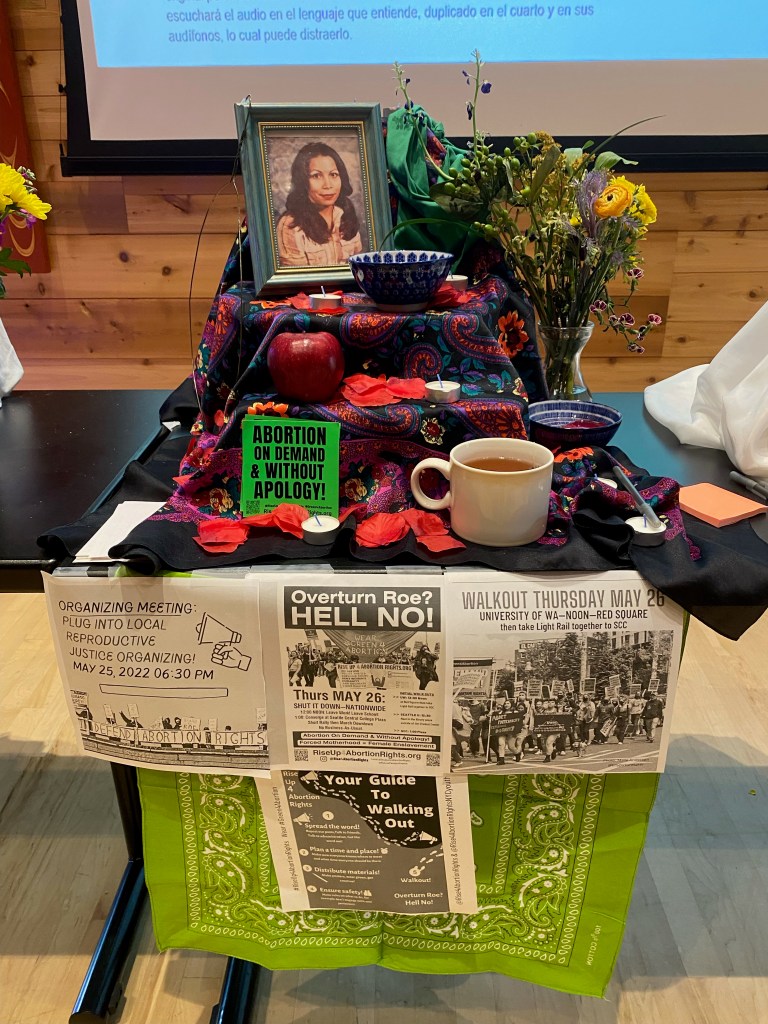
Our memory ofrenda is dedicated to the green wave and honors the memory of Rosie Jimenez and other people who have died from restricted abortion access. We included elements of air, water, earth, and fire to help with this dedication. Air represents spring and new beginnings, and recently, the green wave has had many successes in expanding abortion access across Abya Yala. We decided to use flowers to represent this new era of expanded rights. We used tea to represent water. Tea has been used as a method to induce abortion in the past. We used an apple to represent earth. Rosie Jimenez was a teacher, so we wanted to make sure we honored that part of her life. We used tea candles to represent fire. Fire represents passion, so we wanted to show the passion and dedication people are putting into the movement. We also represented fire through the signs at the bottom which give information about protests that are happening in Seattle and show passion that people have for the movement. Finally, we put rose petals across the ofrenda to further honor Rosie.

Dia De Los Muertos Reflection Group 7 GWSS 451: Latina Cultural Production

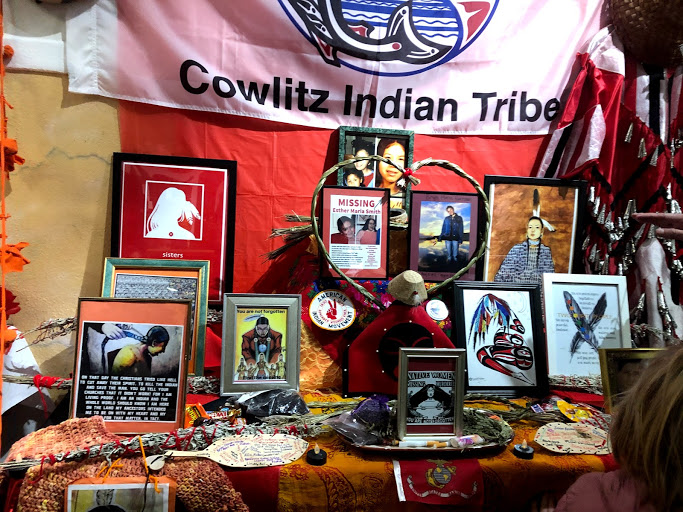
Cowlitz Indian Tribe Altar, set up in remembrance of the countless Indigenous women/girls that have gone missing. Photo taken at Centro La Raza, November 1st 2019

Ceremonial/Healing 


We chose to place this image under the Ceremonial/Healing category because this altar is displaying the acts of violence against Indigenous women historically, and the increased awareness of the growing amount of Indigenous women that are disappearing. This altar not only serves as a form of remembrance for those lives that were lost, but also as a form of advocacy to help stop the violence from continuing. This is a prime example of “la cultura cura,” It helps move towards healing the wounds of loss, celebrate their lives and advocate for a better future.

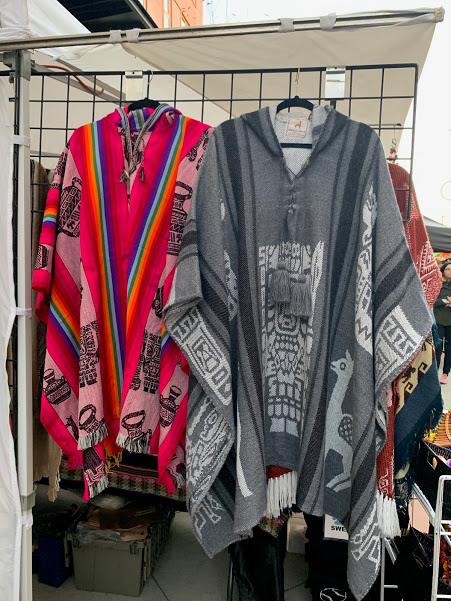
Cultural Merchandise, booths set outside the Día de los Muertos festival sold both traditional and modern merchandise. Photo taken at Centro La Raza, November 1st 2019 

Focus On Cultural Identity

This image was placed in the cultural identity category because it reflects garments that help individuals showcase their identity. It also shows how art can encompass many parts of a culture, from the things your wear, the cultural traditions you practice, to the stories you tell – it is all apart of culture and what makes it beautiful and  unique. 

We selected these two pictures in particular because we believe that the culture that our families teach us is integral to knowing who you are to others and most importantly who you are to yourself. This goes hand in hand with the concept of how the space between life and death is healing, and art being one of those outlets where as the saying goes, “la cultura cura”. Both of these pictures portray aspects of cultures that are being used as a source of healing. For example, those who set up the altar in remembrance of all the missing Indigenous women were engaging in a form of healing. The process of collecting pictures, and other objects to place on their altar requires constant reflection on the lives that are lost and those who are present today keeping their memory alive through this act.

The memory and power of Tony Esquivel’s Art

I had a long beautiful in depth conversation with Tony Esquivel’s son. Ton Esquivel passed away about five years ago, but his memory lives on through his work. Beacon Arts connected with Tony’s son to make this ofrenda. Tony talked to me about how his father made many of these paintings within the last fifteen years of his live. He made these paintings as a means of establishing his identity. For many years, his father struggled with who he was due to the oppression that the Catholicism can put upon people. This lead his offer to gravitate into the indigenous aspect of being Chicano. Here, he found peace. His is most prevalent with in his depictions. Tony’s son told me how they are slowly are revealing his fathers work to the public, and believe the sharing of his story would be the greatest thing. I also I enjoyed being able to see the amount of emotions in even the animals facial expressions in Tony’s work. His work is well informed, powerful, and must be showed and shared to the world. Tony is thoughts and powerful ideas live beyond his death and are now immortal through his work.

Paying Homage Through Music

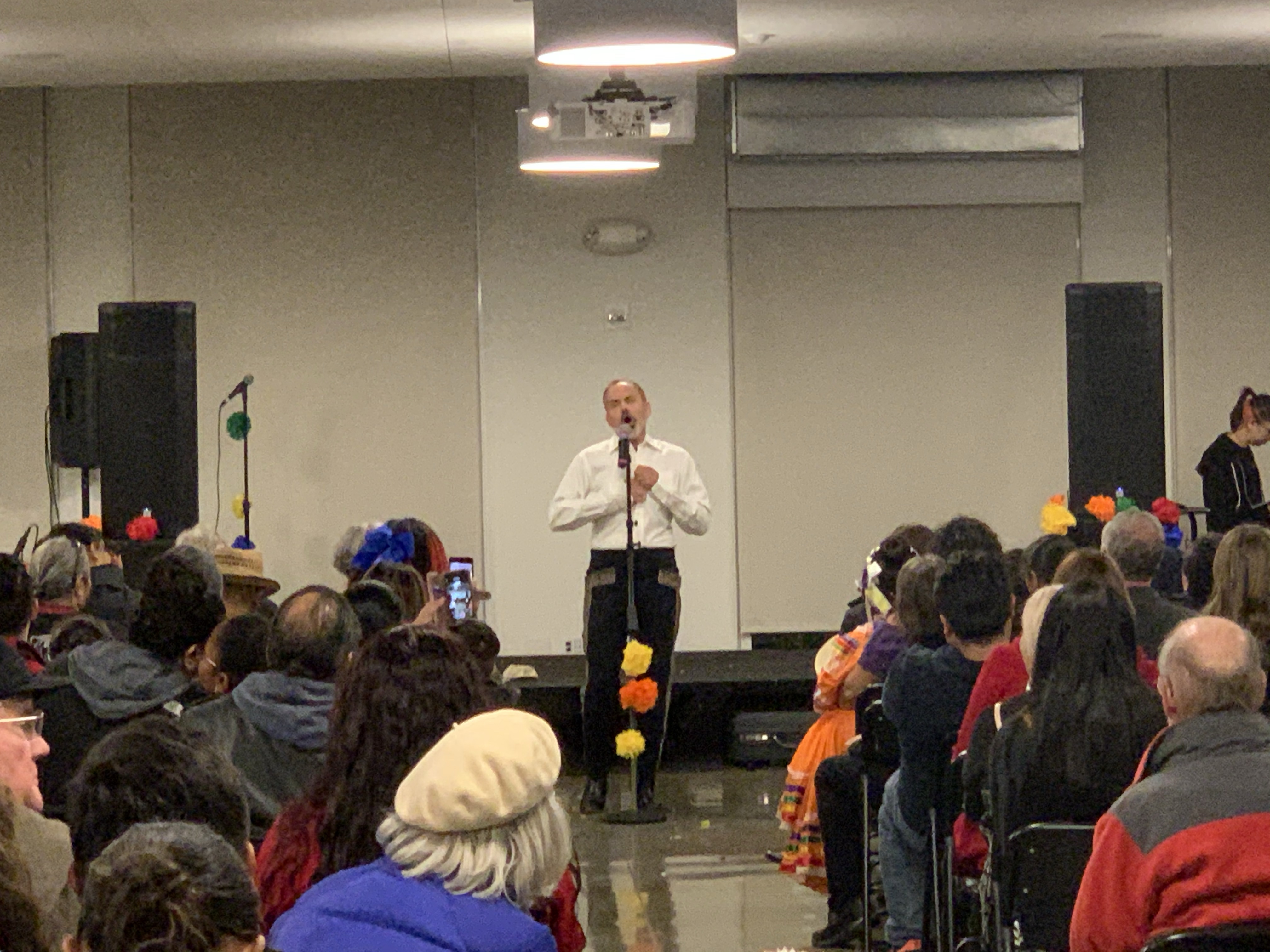
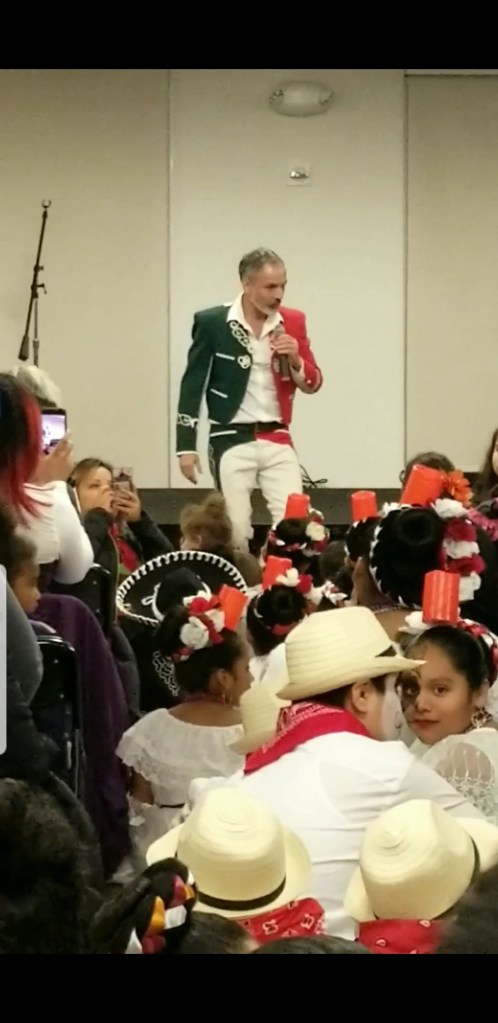
At El Centro’s stage for DDLM, one of the MC’s, El Vez, is paying homage to his friend, Kim, a musician, performer, and somebody very dear to him who cannot be fully encapsulated in words. (Photo taken by John Petrovich, group 8).

As the celebration of Dia de Los Muertos continues at El Centro, we are paying homage through group song and performance. Above, we are paying homage to Kim, a musician from Los Angeles who left the world to early, and we are listening to transformations of her music by her dear friend.

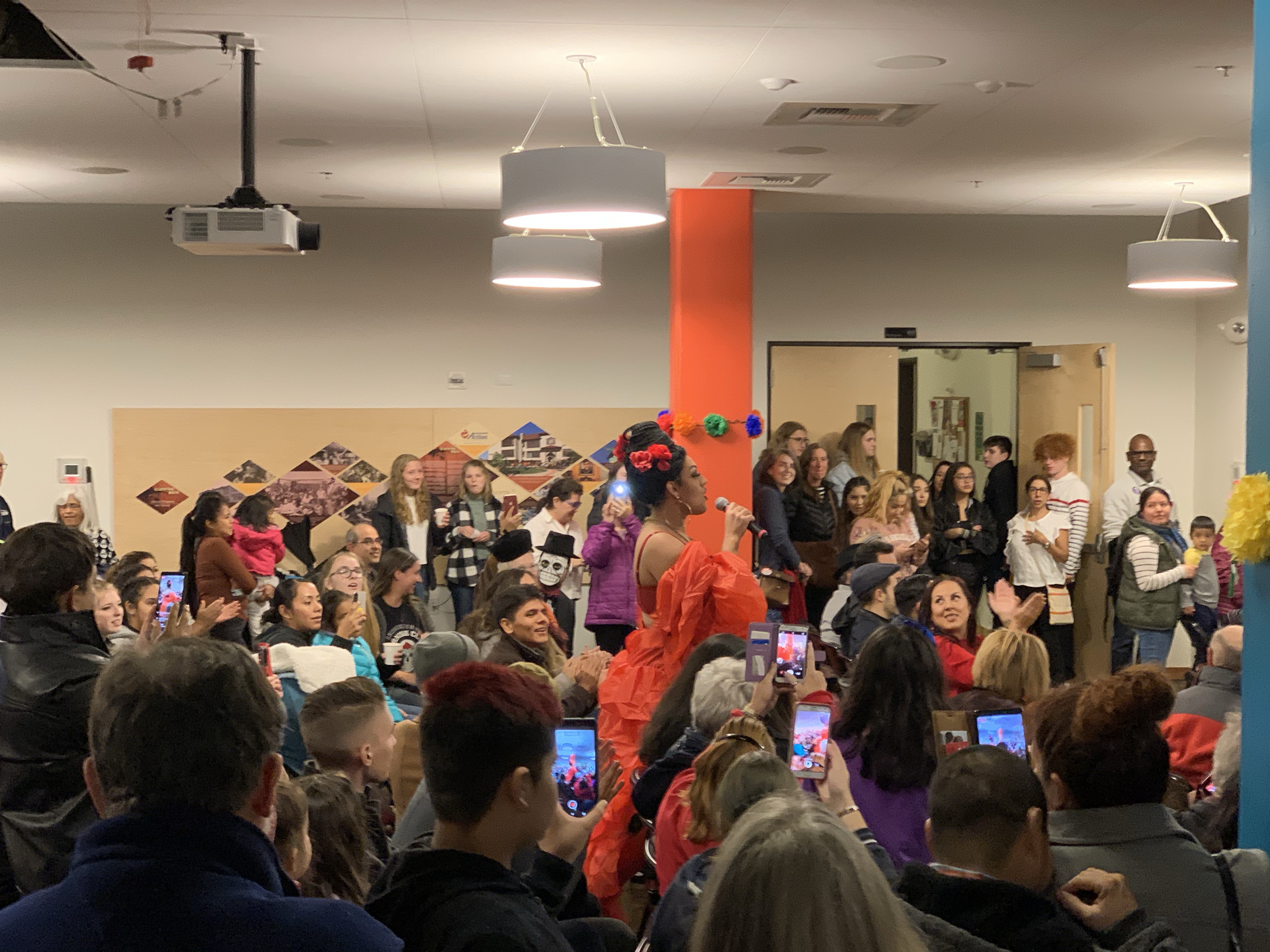
At El Centro’s stage for DDLM, a performer from Bellingham is emulating and paying their respects to Selena. (Photo taken by John Petrovich, group 8).

Above, everybody comes together in song and laughter as Selena makes her way to and down the centre aisle in song dance. I personally cannot place the songs because of my lack of Spanish, though I do see couples dancing with their loved ones and others watching in awe at the power of this performance.

It is amazing to see so many people joined together. Whether eating mole, learning about the ofrendas made this year, or face-painting, we are all in celebration of our loved ones return. There is nobody with a frown on their face, a sharp contrast to the modes of grieving permitted in euro-centric society. Rather than “just dealing with it,” we are collectively remembering, mourning, and healing. I am truly thankful for this space.

Expressing traditions

As we walk through the hall of altars we see many different interpretations on what our community is honoring. I noticed the waves of people stopping specifically and taking time to look at this altar. As I stepped closer it looked like an exact replica of what we think an ofrenda/altar to look like. The bright colors & the photos of those being remembered with the pan de muerto all ties the traditions together & is opening space to bring the community together. Everyone was stopping & taking photos while parents were stepping down to their kids to help explain why an altar had specific colors & offerings. Those dressed in dia de los muertos fashion walked with their chins up & caught the attention if those admiring the work & community.

Engaging in celebrations

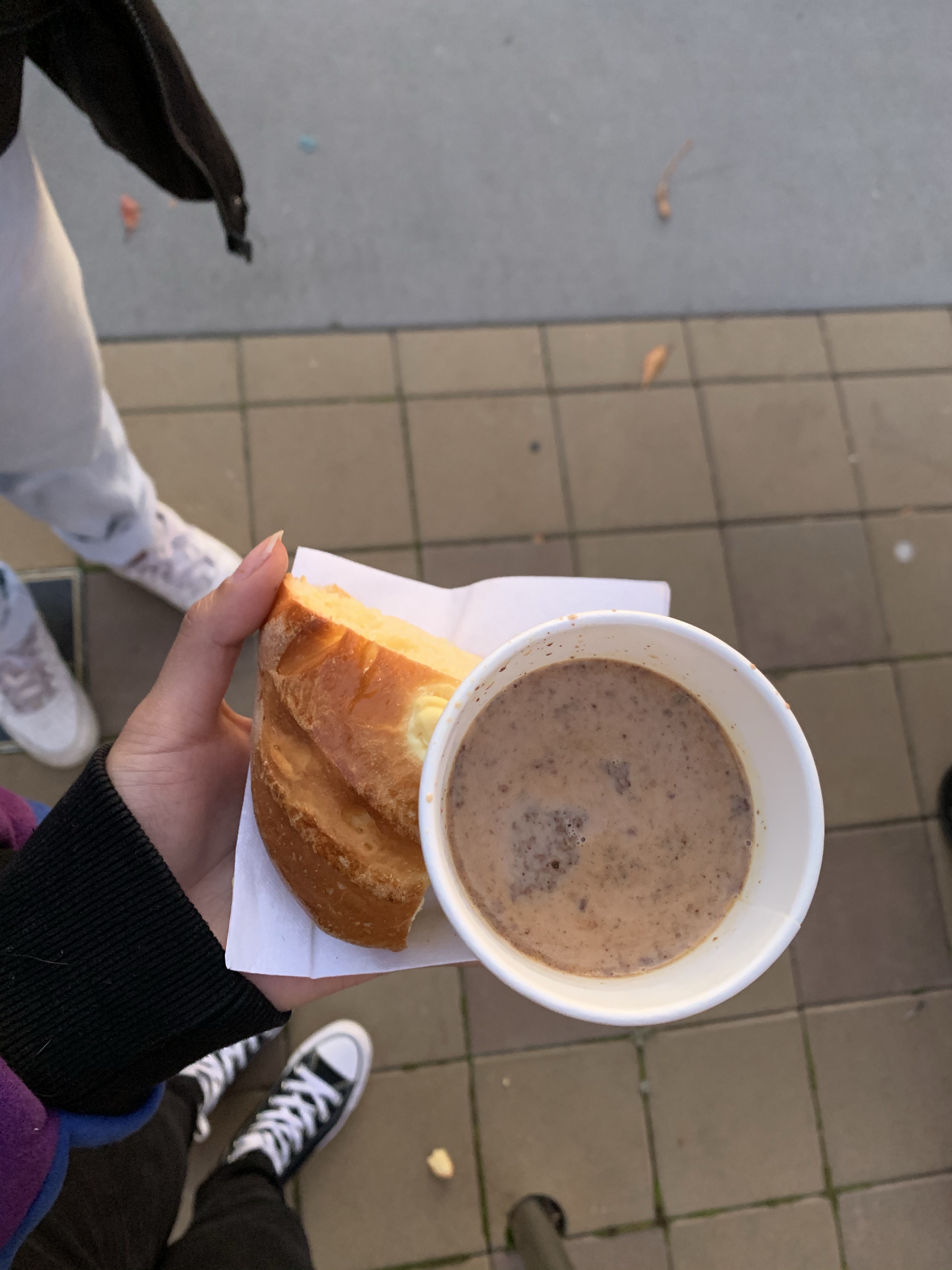
As the community came together to celebrate Dia De Los Muertos I walked through the Ofrenda halls, passed by the smell of mole, & outside into the mini market. You saw children mesmerized by those dressed in traditional fashions with their face makeup (pictured @ 5:07pm-chose not to be named) & you saw the long lines from the community looking for abuelita hot chocolate with a piece of pan de muerto (pictured @ 6:02pm). The passing out of pan de muerto was allowing for those who didnt quite understand why the pieces of dough were on the ofrendas to take a piece of the tradition. They could feel the sweet bread dipped in the warm cocoa fill their bodies to replicate how the ofrendas were fulfilling the voices of those being honored.  

GWSS 451 Group 9

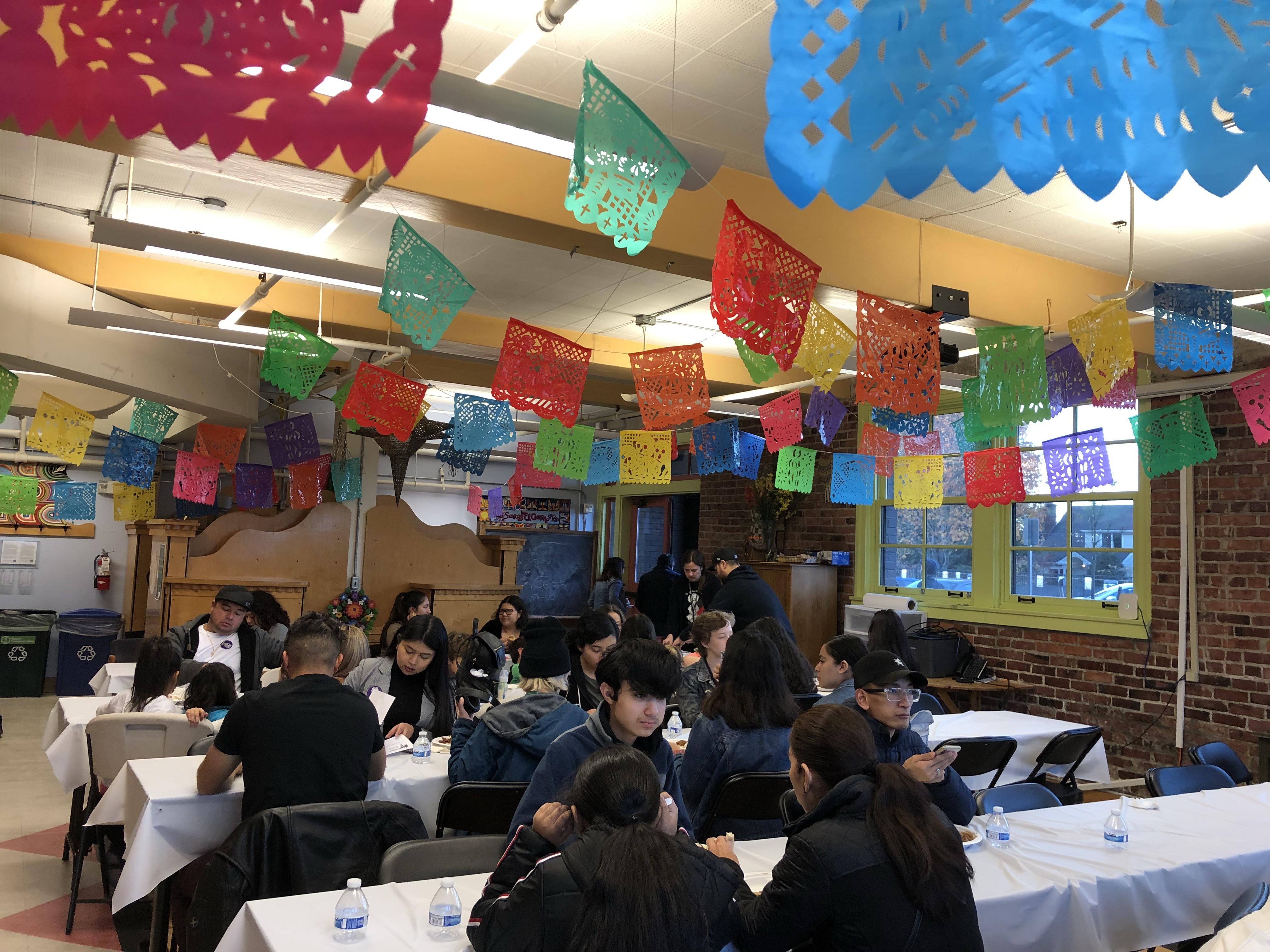
– This photo was at the Dia De Los Muertos Celebration, in El Centro De La Raza’s Seattle, WA. Taken by Group 9 , UW students in GWSS 451 on November 1 2019. The capture represents People from different cultures sitting on one table and enjoying Mexican food tradition lunch altogether.
In the capture there are many people who have different cultural backgrounds and personal identities. They are all sharing one table, and they were all enjoying eating one type of food that represents Mexican food tradition. I personally never tried Mexican food before, when I tried it in the altar/ ofrenda event, I found out it is very similar to the Middle Eastern food which is wonderful. The people were having fun talking to one another and celebrating the Altar/ Ofrenda honoring the memory of the people who have passed away.

El Vez came to visit Beacon Hill !

I just followed a crowd of people being lead of dia de los muertos folklorico dancers. I followed these dancers to the unknown. I slowly realized i was being lead into a performance room. I heard the tune of the iconic, political rallying song “It’s immigration time” by El Vez. El Vez is an iconic Mexican/ Chicano Elvis impersonator. That alters various classic rock ballads into songs describing the chicano experience. He was wearing a beautiful green, white and red mariachi suit with the Mexican eagle printed on his back. The people in the crowd consisted of various colors, ethnicity and cultures. This event was a magnificent experience celebrating what it means to be chicanx resisting the migra with diverse open minded family and friends.